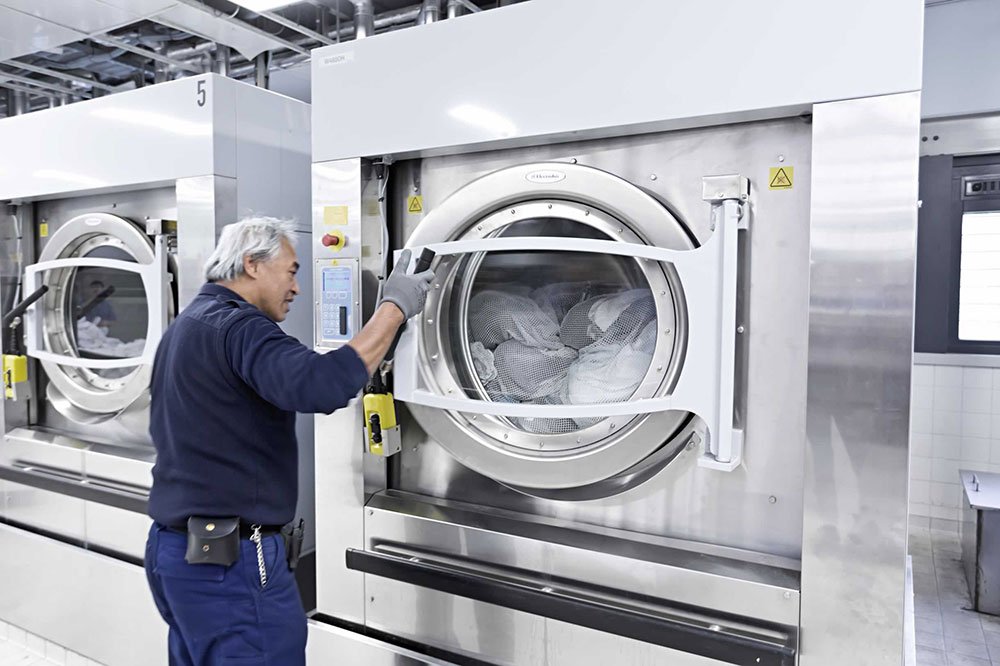
In the bustling world of the food and beverage industry, the success of a restaurant depends significantly on the efficiency and functionality of its equipment. Proper maintenance of restaurant equipment not only ensures the smooth operation of daily activities but also extends the lifespan of these expensive assets. With the right knowledge and practices, restaurant owners can minimize downtime, reduce repair costs, and maintain safety and hygiene standards. This guide provides essential insights into the maintenance of restaurant equipment, offering valuable tips and strategies to ensure optimal performance.
Understanding the Importance of Regular Maintenance
Regular maintenance is crucial for the effective operation of restaurant equipment. It helps in:
- Preventing unexpected breakdowns that can lead to service disruption.
- Reducing long-term repair costs by identifying potential issues early.
- Ensuring compliance with health and safety regulations.
- Extending the life of equipment, offering better return on investment.
Understanding these benefits can encourage a proactive approach to equipment maintenance. Discover expert strategies here.
Creating a Maintenance Schedule
A well-structured maintenance schedule is essential to keep equipment in top condition. The following steps can help in creating an effective maintenance plan:
1. Inventory and Assessment
Begin by listing all equipment and assessing their current condition. This evaluation helps in prioritizing maintenance tasks and allocating resources effectively.
2. Frequency Determination
Determine how often each piece of equipment needs to be serviced. Consider manufacturer recommendations, usage frequency, and past performance.
3. Assigning Responsibilities
Assign maintenance tasks to trained staff or professionals to ensure that they are carried out efficiently. Learn about our tailored solutions.
Key Maintenance Practices
Different types of equipment require specific maintenance practices. Here are some general tips:
1. Cleaning and Sanitizing
- Regular cleaning prevents the buildup of grime and bacteria.
- Sanitizing ensures compliance with health standards and prevents contamination.
2. Inspection and Testing
- Conduct regular inspections to identify wear and tear.
- Perform routine testing to ensure equipment operates within safe parameters.
3. Lubrication and Calibration
- Lubricate moving parts to reduce friction and wear.
- Calibrate equipment to maintain accuracy and efficiency.
For more detailed guides, explore advanced guides and tips.
Training and Documentation
Training staff in proper equipment use and maintenance is vital. Well-documented procedures ensure consistency and quality across the board.
- Provide comprehensive training sessions for new staff.
- Maintain detailed records of maintenance activities and schedules.
This documentation helps track the history of equipment maintenance and can be useful for troubleshooting future issues. Find out more about this approach.
Conclusion
The effective maintenance of restaurant equipment is a critical aspect that impacts the overall success of a food service operation. By understanding the importance of regular maintenance, creating a structured schedule, and implementing key practices, restaurant owners can ensure their equipment remains reliable and efficient. Moreover, training staff and keeping thorough documentation further enhances the maintenance process. By integrating these strategies into daily operations, restaurants can achieve a seamless and productive environment, helping them to thrive in a competitive market.